
Resources

What we read, and what the research shows
The findings below are what the Montessori approach to dementia, disability, and aging care has been shown to do in care settings. The books are the ones we go back to.
The Research
This is not a new idea. It is a proven one.
Six peer-reviewed and published findings on what happens when Montessori principles are applied in care settings.
"Practitioners who completed this course demonstrated a significant increase in elders’ positive emotions and engagement in daily household activities."
Provider Magazine, December 1. Brush, J. & Benigas, J. (2019)
"Elders showed significantly higher levels of constructive engagement and increased pleasure and interest in daily life."
BMC Geriatrics, 21: 24, Chan, H., Yau, Y., Li, S., Kwong, K., Chong, Y., Lee, I., Yu, D. (2021)
"Care settings implementing Montessori principles saw significant increases in elders’ positive emotions, self-esteem, and sense of belonging, alongside increased engagement and higher employee job satisfaction."
The Journal of Nursing Home Research, 4: 64-70. Brush, J., Douglas, N., & Bourgeois, M. (2018)
"Elders demonstrated greater amounts of active engagement when Montessori principles were applied in their care setting."
Journal of Aging and Geriatric Medicine, 2: 2. Hindt, A., Morris, J., Sohre, J., and Buchanan, JA. (2018)
"Montessori-based care was associated with a reduction in disruptive behaviors including agitation, wandering, exit seeking, verbal abuse, and physical threats, along with increased social skills, social connection, and staff job satisfaction."
Dementia. Booth, S., Zizzo, G., Robertson, J. (2018)
"Elders experienced an increase in quality communicative interactions and improved overall well-being."
Journal of the American Medical Disorders Association, 17: 117-122. Sheppard CL, McArthur C, Hitzig S. (2016)
Books We Recommend
What we go back to
Some of the links below are affiliate links, which means MCPC may earn a small commission if you buy through them, at no additional cost to you.
We recommend these books because we use them, not because of the links.
All of them are available from your library or any bookseller.
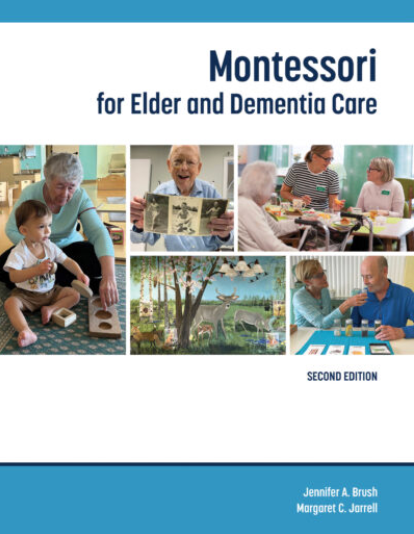
Montessori for Elder and Dementia Care, Second Edition
Jennifer Brush and Margaret Jarrell
The foundation of everything MCPC teaches, and the required text for all courses.
If you read one book on this list, read this one.
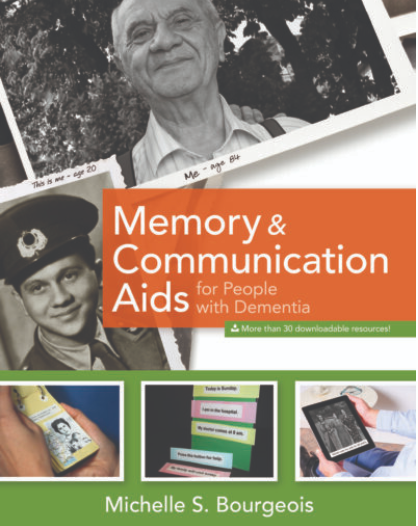
Memory and Communication Aids for People with Dementia
Michelle Bourgeois
Practical, immediately usable tools for the conversations that are hardest to hold.
This is the one care partners tend to reach for first in a difficult week.
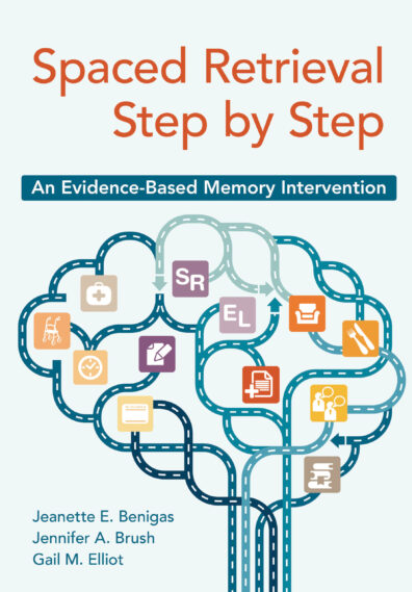
Spaced Retrieval Step by Step: An Evidence-Based Memory Intervention
Benigas, Brush, and Elliot
The technique behind much of the research above, explained well enough to use.
For anyone who wants to understand why the approach works rather than only what to do.
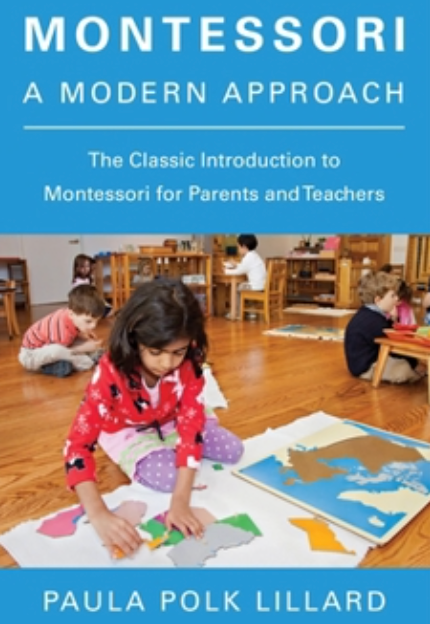
Montessori: A Modern Approach
Paula Polk Lillard
The clearest introduction to Montessori itself.
Most useful if you are coming to this work without a Montessori background, and skippable if you already have one.
Where To Go Next
The AMI MDDA Introductory Course is twelve hours and self-paced. This is the whole approach, and the beginning of your transformation as a Care Partner.
Start with the AMI MDDA Introductory Course
The AMI MDDA Practitioners Certification Course is six months of guided practice in your own care setting, with live monthly instruction from Margaret Jarrell. The AMI MDDA Introductory Course is the prerequisite.
Not sure which one, or have a question first? Write to us.
CONTACT US