AMI Montessori for Dementia, Disability and Aging
An Introductory Course for Care Partners, Families, and Professionals
Possibility for Every Ability
What is the Introductory Course?
Most approaches to elder care focus on what a person can no longer do. Montessori for Aging, Dementia and Disability starts somewhere else entirely — with who a person still is and what is possible.
This introductory course brings the internationally respected Montessori philosophy into the world of aging, dementia, and disability care. Developed in partnership with Jennifer Brush of Brush Development, it teaches a way of caring built on connection instead of correction, purpose instead of passivity, and roles instead of routines imposed on people rather than shared with them.
You'll learn how memory really works, how communication changes and how to meet it, and how to build a prepared environment where the people in your care can contribute, engage, and thrive. This isn't theory removed from practice. It's a practical, evidence-informed approach you can start using immediately, with the individuals already in your life or your care.
ENROLL NOW
Two Ways to Begin
However you learn best, MCPC has a path for you. Both options lead to the same certificate of completion and the same foundation in Montessori philosophy for aging, dementia, and disability care.
Path One: Online & On Demand
Learn on your schedule, from anywhere.
Move through all 12 modules at your own pace. Revisit videos, reflection questions, and materials as often as you need while the concepts sink in.
- ✓3 months of access to all 12 modules
- ✓Learn whenever it works for you — early mornings, lunch breaks, weekends
- ✓Built-in reflection questions and observation activities to deepen your learning
- ✓Complete the course in a timeframe that fits your life
- ✓Perfect for care partners balancing full caseloads, shift work, or family commitments
Ideal for: Self-directed learners who want flexibility and the ability to revisit material as they apply it in real time.
Path Two: 2-Day In-Person Workshop
Learn in community with others.
Join fellow care partners for an immersive two-day experience covering the same 12 modules — condensed into focused, hands-on sessions with live discussion, demonstration, and the energy of learning alongside others who share your commitment to strrenth based, person-centered care.
- ✓Complete the full course in just two days
- ✓Live instruction and real-time Q&A
- ✓Hands-on practice with Montessori materials and activities
- ✓Connect with a cohort of care partners from day one
- ✓Great for teams, facilities sending multiple staff, or anyone who learns best in community
Ideal for: Care partners who want an immersive, face-to-face experience and the momentum of learning as a group.
Not sure which path is right for you? Both roads lead to the same place — a deeper understanding of how to bring dignity, purpose, and engagement to the people in your care.

Who This Is For
This course is for anyone who cares for or about older adults, people living with dementia, or people living with disabilities, including:
- Professional care partners and direct care staff in senior living, home care, and memory care settings
- Family caregivers supporting a parent, spouse, or loved one
- Nurses, social workers, occupational and speech therapists, and other allied health professionals
- Activities and life enrichment directors
- Administrators and leaders looking to shift culture within their community
- Anyone considering the Montessori for Aging, Dementia and Disability Practitioner Certification Course, for whom this course serves as the required first step
No prior Montessori experience or training is required.
What You Walk Away With
By the end of this course, you'll be able to identify the components of person-centered care, understand the disease processes behind common dementia symptoms, use tools like memory books and spaced retrieval to support communication, design a prepared environment, and create meaningful activities and roles for the people you serve.
Upon successful completion, you'll receive a Certificate of Completion from the Montessori Care Partner Collaborative, an AMI Certificate — and you'll have satisfied the prerequisite to enroll in the Montessori for Aging, Dementia and Disability Practitioner Certification Course, our in-depth, AMI-affiliated certification for those ready to go further and become a certified practitioner in their community.

Enrollment Details
2-Day In-Person Workshop
$425 USD
Pay In Full (no payment plans at this time)
BROWSE UPCOMING WORKSHOPS

In Partnership With
MCPC's courses are developed in partnership with the Association Montessori Internationale (AMI) and Brush Development Company, bringing world-class Montessori expertise into every module.
Jennifer Brush, MA, CCC/SLP, Director of Brush Development Company, is a Fulbright Specialist, researcher, and award-winning dementia care author, and one of the first three AMI Certified Trainers for Montessori for Aging and Dementia in the world — and the first in the United States. Her research and published work, including Montessori for Elder and Dementia Care, inform the foundation of this course.
Frequently Asked Questions
Do I need any Montessori background to take this course?
Does the online course have live sessions, or can I go at my own pace?
Is there a deadline to complete the online on-demand course?
Can I bring a group to the in-person workshop?
Is there a textbook required?
What do I get at the end of the course?
Does this course qualify me as a certified practitioner?
What if I work in disability services rather than aging or dementia care?
Still don't have the answers you were looking for?
Feel free to contact us at [email protected]
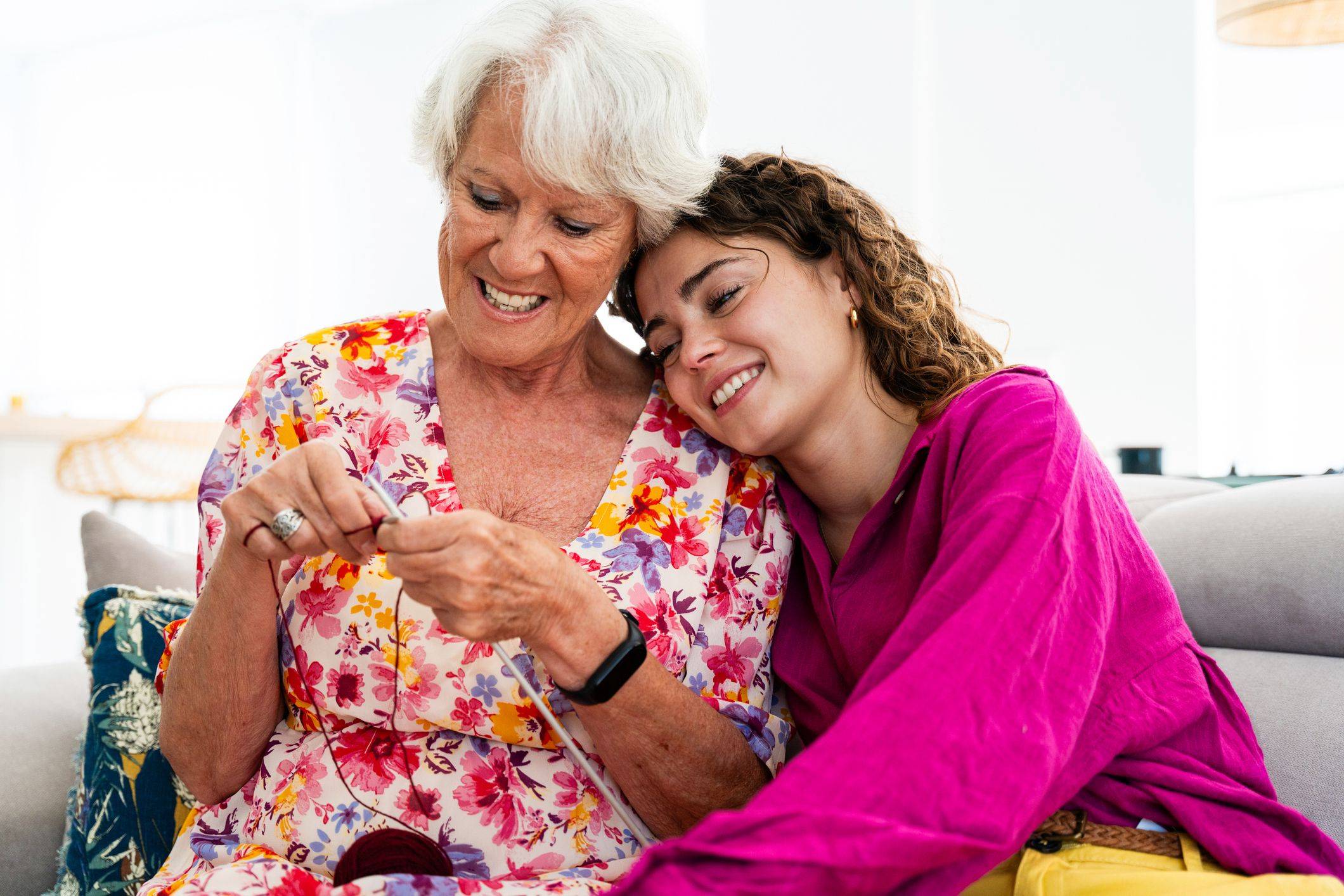
You already care. Now give that care a framework that works.
Enroll in Montessori for Aging, Dementia and Disability today, and start building a practice rooted in dignity, purpose, and connection — for the people you serve, and for yourself.
ENROLL IN THE ONLINE COURSEMontessori for Dementia, Disability and Aging Introductory Course is a framework for care, not a clinical protocol. This course equips practitioners with principles and methods to support engagement, dignity, and quality of life. It does not diagnose, treat, or replace the medical guidance of the care teams practitioners work alongside.